Daily Movement Habits
Building Sustainable Physical Activity Into Your Everyday Life
The Foundation of Regular Activity
Physical activity doesn't require hours in a gym or intense athletic pursuits. For most people, the most sustainable approach involves integrating movement throughout their day. This could be a morning walk, taking stairs instead of elevators, stretching during work breaks, or evening recreation with friends.
Research consistently shows that people who maintain regular movement habits experience better energy levels, improved mood, stronger physical capacity, and greater overall resilience. The key is finding activities that fit your life and that you're willing to do consistently.

Approaches to Daily Movement
Walking
Walking is perhaps the most accessible form of physical activity. A regular walking practice—whether a 20-minute morning walk, midday break walks, or evening strolls—contributes significantly to overall activity levels. Walking can be social, solitary, meditative, or practical (walking to nearby destinations).
Structured Exercise
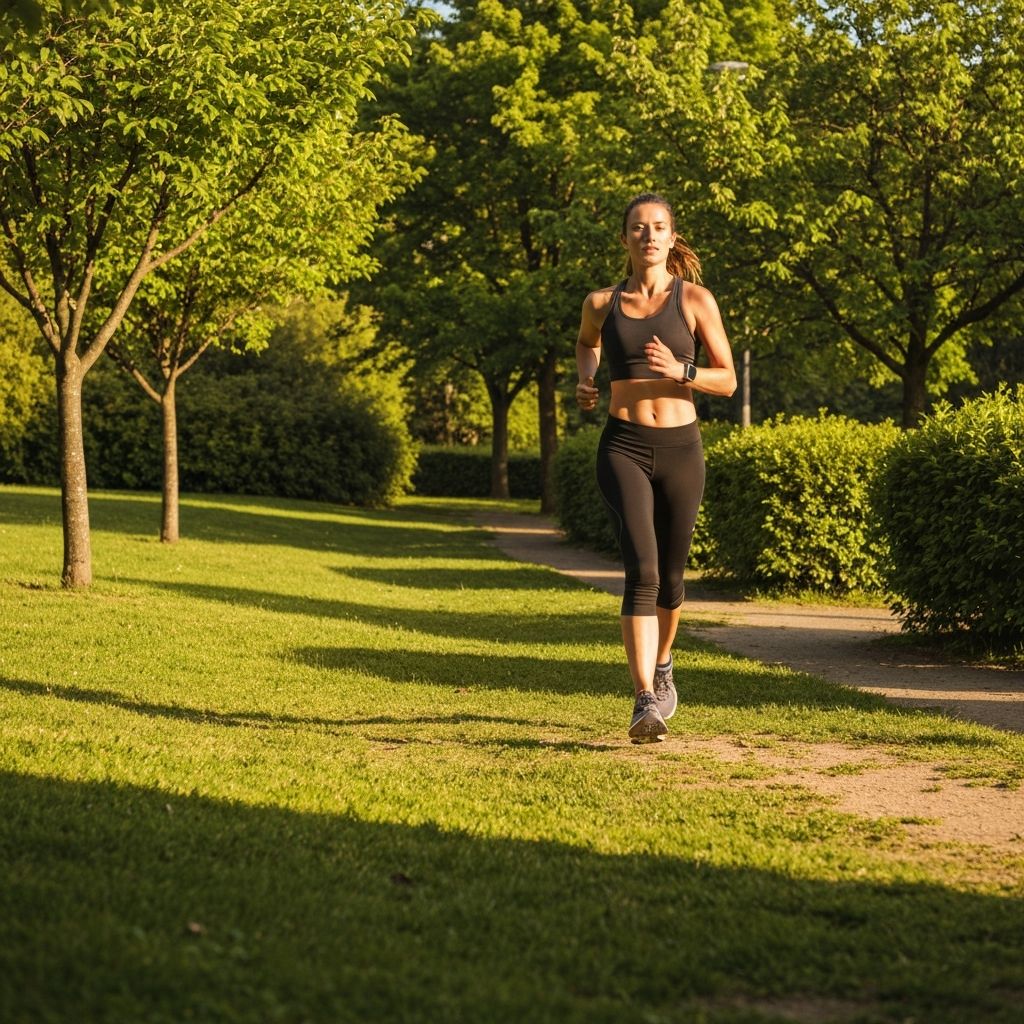
Many people benefit from dedicated exercise time—whether that's running, cycling, swimming, strength training, or sports. Having a specific time and activity can create consistency and progression, and the variety keeps activities engaging.
Active Daily Life
Building movement into routine activities multiplies your overall activity level. Taking stairs, parking further away, doing physical tasks around home or garden, and standing while working all contribute to cumulative daily movement.
Recreational Activities
Playing sports, hiking, dancing, or other recreational activities provide both physical activity and enjoyment. Activities you genuinely enjoy are far more likely to be sustained long-term.
Factors in Building Sustainable Habits
Choose activities you enjoy: You're far more likely to maintain activities that provide satisfaction, whether that's the meditative quality of running, the social aspect of group sports, or the personal challenge of progression.
Start where you are: If you're currently inactive, beginning with short walks is perfectly appropriate. Sustainable habits build gradually from your current starting point, not from an idealized future state.
Create consistency: Regular activity at the same time or in the same way helps establish habit. "I walk every morning" is easier to maintain than "I exercise whenever I can."
Build community: Whether it's walking with friends, joining a class, or playing team sports, social elements increase consistency and enjoyment.
Understanding Movement Intensity
Moderate Activity
Walking, recreational cycling, swimming, or sports where you can carry a conversation but feel elevated heart rate. This level is accessible for most people and can be maintained regularly.
Vigorous Activity
Running, competitive sports, or challenging exercise where conversation is difficult. These activities build cardiovascular capacity and should be balanced with adequate recovery.
Strength Activity
Any activity that challenges muscles—from bodyweight exercises to resistance training with weights. Strength activity supports muscle maintenance and metabolic health.
Flexibility Work
Stretching, yoga, or tai chi. These complement other activity and support functional movement, recovery, and mental clarity.
Overcoming Common Obstacles
Time constraints: Even short activity sessions—10-minute walks, quick home exercises—provide benefits. Something is always better than nothing.
Motivation fluctuations: Motivation varies. Building habits removes reliance on motivation. A scheduled walk happens regardless of whether you "feel like it."
Physical limitations: Activities should match your current capacity. If you have injuries or health considerations, finding appropriate activities ensures you can maintain consistency safely.
Environmental factors: Weather, seasons, and access to facilities vary. Having multiple activity options increases resilience when circumstances change.
Health Disclaimer: The materials on this website are for informational purposes only. They do not constitute individual recommendations or medical advice. Approaches to well-being vary greatly in everyday life, and the information provided here is not a substitute for personal decisions or professional consultation.