Flexibility and Movement
Understanding Mobility and the Role of Consistent Movement Practices
What is Flexibility?
Flexibility refers to the range of motion available at your joints and muscles. It's not just about touching your toes or performing advanced yoga poses—flexibility is fundamental to functional movement in daily life, from reaching overhead to bending down to pick something up.
Natural flexibility varies from person to person based on genetics, age, muscle structure, and lifestyle habits. What's important is not achieving perfect flexibility but rather maintaining adequate flexibility for your daily activities and preventing injury.
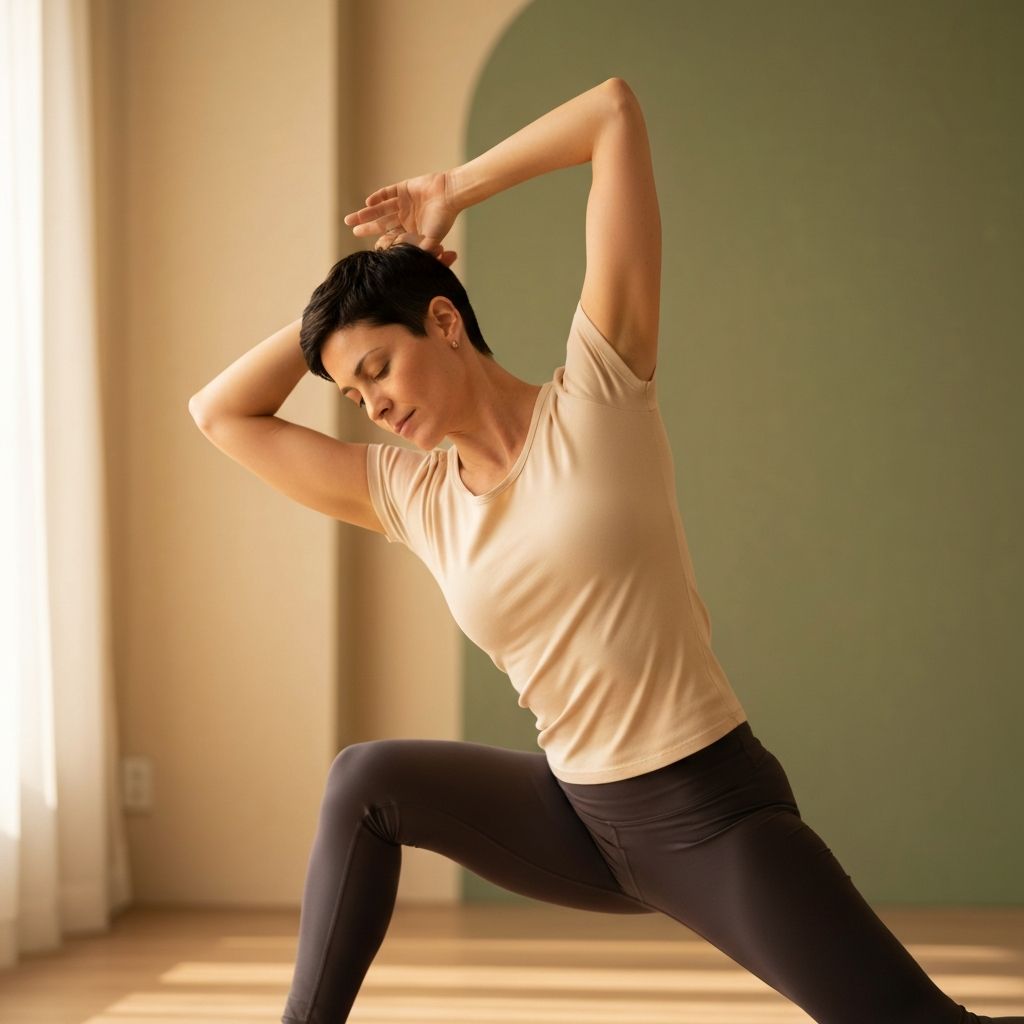
Why Flexibility Matters
Regular movement and flexibility work offer several interconnected benefits:
Injury Prevention
Muscles and joints with adequate range of motion are less prone to strain. Tight muscles can create imbalances that lead to compensatory movements and potential injury.
Daily Functionality
Flexibility supports your ability to move comfortably through daily activities without restriction or discomfort, whether you're working, playing, or participating in recreation.
Posture and Alignment
Balanced flexibility contributes to proper postural alignment. Tight muscles in certain areas can pull your body out of alignment, while overall flexibility supports natural, efficient movement patterns.
Stress Reduction
Physical tension often accompanies mental stress. Gentle movement and stretching practices can help release physical tension and create a sense of calm and relaxation.
Approaches to Building and Maintaining Flexibility
Static Stretching
Holding a stretch for 20-30 seconds at a point of mild tension. This approach is simple and can be done virtually anywhere. Many people incorporate static stretching into their morning or evening routine.
Dynamic Movement
Controlled movements that gradually increase range of motion, such as arm circles, leg swings, or walking lunges. Dynamic movements are often used as part of warm-ups before exercise.
Yoga and Tai Chi
These practices combine movement, flexibility work, and mindfulness. Practitioners move through poses or flows that gently increase range of motion while also cultivating awareness and calm.
Consistent Movement Throughout the Day
Regular movement—even simple activities like walking, taking stairs, or changing positions frequently—contributes to maintaining flexibility. Sedentary lifestyles can reduce flexibility over time.
Practical Principles
Consistency over intensity: Regular, gentle stretching is more effective than occasional intense sessions. Even 5-10 minutes daily can maintain and gradually improve flexibility.
Avoid forcing: Flexibility develops gradually. Pushing into pain can cause injury. Work at a level of mild tension and allow improvements to come naturally over weeks and months.
Warm up first: Muscles stretch more safely and effectively when warm. Light activity before stretching increases circulation and tissue temperature.

The Connection to Overall Movement
Flexibility is one component of comprehensive movement practice. It works best alongside strength training, cardiovascular activity, and general daily movement. A balanced approach recognizes that different types of movement serve different purposes—flexibility work maintains range of motion, strength training builds capacity, cardiovascular activity supports heart health, and daily movement maintains overall fitness.
Understanding flexibility as part of this broader movement ecosystem helps you create a sustainable, enjoyable practice that supports long-term well-being.
Health Disclaimer: The materials on this website are for informational purposes only. They do not constitute individual recommendations or medical advice. Approaches to well-being vary greatly in everyday life, and the information provided here is not a substitute for personal decisions or professional consultation.